Need tree removal help in West Valley City?
Tell us about your tree and request an estimate. A local provider in our network can review the job and share a written quote.
No obligationRequest an estimate today
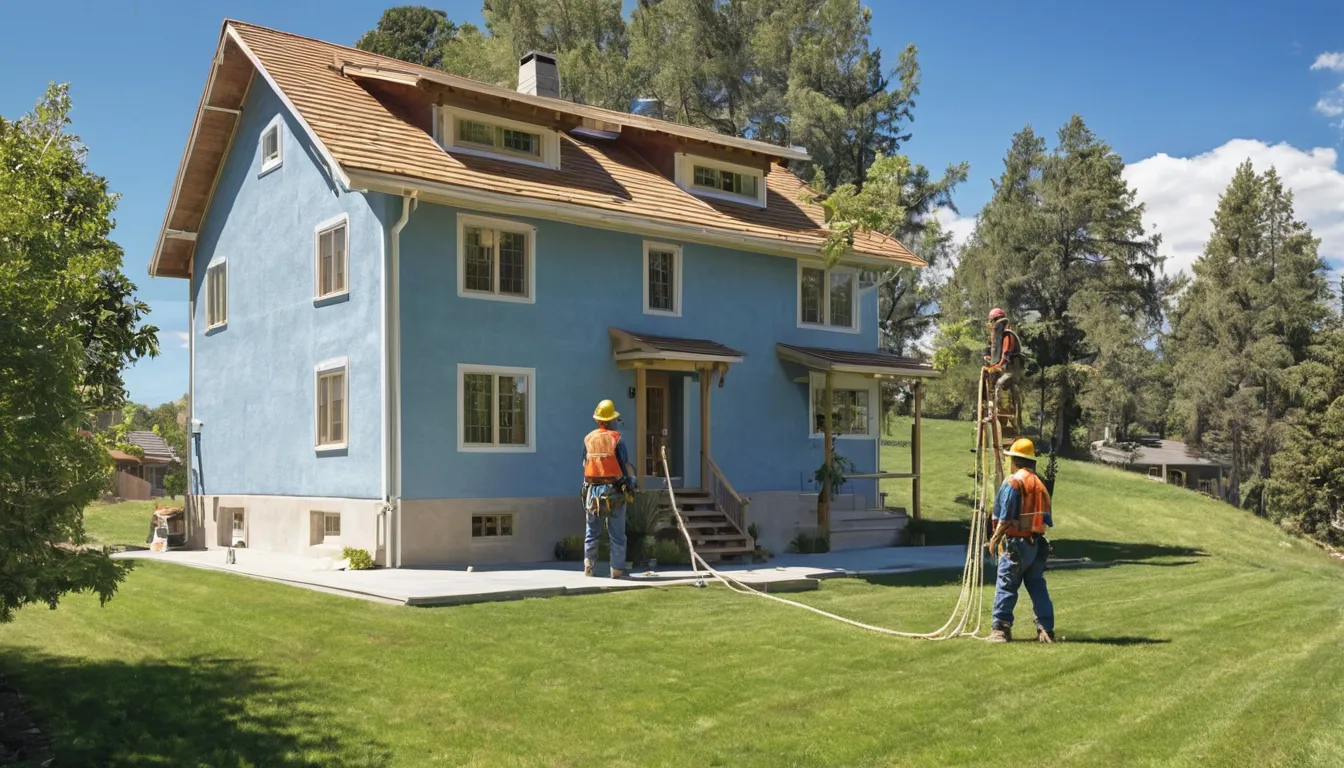
Say you look out the window and see a trunk leaning toward the house. Or a big limb hangs over the driveway after a heavy snow. You may wonder if you can deal with it yourself. Sometimes you can help. Often the tree is too big, too close, or too risky.
Troubleusing Tree Service is a referral service. We do not cut trees. We connect homeowners in West Valley City and the West Valley City area with independent local providers who do the work. This page shows where you can safely pitch in, where pro gear matters, and what to expect. When you are ready, request an estimate and a local provider can review your project.
Say you come home and find a thick limb across the lawn. The bark is split. Part of it still hangs from the trunk. You grab your gloves and wonder where to begin.
That moment is where most tree jobs start. A few minutes of thought can keep you and your home out of trouble.
Some parts of a removal are fine for a homeowner. Other parts are not. The line often comes down to height, weight and what sits below the tree.
Picture a tree that drops dead branches every windy day. Or one with mushrooms at the base and bark falling off in sheets. These are warning signs. So are deep cracks, a trunk that has started to lean, and roots lifting the lawn.
Dry air, strong sun at altitude and hail can all stress a tree over time. Heavy snow loads add weight to weak limbs.
Most people do not want to cut down a healthy tree. They act when something changes. A tree may be dead, diseased or damaged by hail. It may block a new addition. Roots may press on a basement wall or a sewer line. Some trees simply grow too close to the roof.
A provider usually starts with a walk around the yard. They look at the trunk, the branches, the ground and anything nearby.
For a tight yard, crews often climb the tree and lower pieces on ropes. That keeps heavy wood from landing on a roof or a stucco wall. In an open yard, a tree falling service may fell the trunk in one planned direction.
After the wood is down, the provider cuts it into pieces and hauls it away or leaves it as logs. Stump grinding is often a separate step. Ask about it up front so the estimate covers what you want.
After a hail or wind event, you may need storm tree clearance. A tree on a roof or across a driveway is not a weekend project. Stay clear, keep others away, and Request a callback to check provider availability. If the tree is blocking a road or touching a line, contact the utility first.
Size matters most. Height, trunk width and how close the tree sits to a house all push the cost up or down. Access matters too. A tree behind a locked gate or over a roof takes more time and gear. Stump grinding, wood haul-away and rush timing can add to the total. Always ask for a written quote.
Some cities and neighborhoods have rules about removing larger trees. An HOA may want notice first. A tree on a property line may be shared with your neighbor. Check with your city office and your HOA before work begins. A local provider can often tell you what is typical in your area.
Pick someone who is clear about the plan. Ask what the work includes, who handles cleanup, and whether they carry liability and workers' compensation coverage. Ask for proof, not just a promise. Compare at least two written quotes. A low number with vague wording can turn into extra charges later.
Say it is the night before. Walk the yard. Move cars off the street or driveway. Bring in pets and kids. Take down anything fragile on nearby walls. Mark sprinkler heads and buried lines if you can. Keep the path to the tree open.
Look at the lawn, fence and roofline. Rake the area. Decide what to do with the logs and chips. Wood chips make good mulch. A bare patch can wait for new grass or a young tree that fits the space.
A clean removal protects the roof, siding and foundation. It also helps your home hold its value. Buyers notice a dead tree looming over a bedroom. Some policies may cover sudden damage, so check your policy, and providers can often help document damage for a claim.
A local provider looks at the trunk, limbs, roots and nearby buildings before suggesting a safe plan.
Trained crews use ropes, saws and lifts to take the tree down in controlled pieces.
Ask for the stump to be ground below grade so you can replant or lay sod.
Many providers haul off branches and logs, or leave wood and chips for you.
Prices vary by tree size, access and location. These are typical U.S. ranges, not quotes. Ask each provider for a written estimate that lists exactly what the work includes.
| Item | Typical range | Notes |
|---|---|---|
| Small tree (under 30 ft) | $150 – $500 | Easy access, little cleanup |
| Medium tree (30–60 ft) | $400 – $1,200 | Often needs climbing or rigging |
| Large tree (60+ ft) | $1,000 – $3,000 | May need a lift or crane |
| Stump grinding | $100 – $500 | Depends on stump width and roots |
| Storm-damaged tree | $500 – $3,500 | Hazards and urgency raise the price |
| Wood haul-away | $75 – $400 | Some providers include it |
Tell us about the tree, its size and where it stands, and request an estimate.
A local provider in our network reviews your project and may ask for photos.
Compare scope, price, cleanup and stump work in writing before you decide.
Choose a date with the provider. Availability varies, so ask what is open now.
Ropes, lifts and chippers let providers work safely where a homeowner with a ladder should not.
Independent providers know local weather, soil and tree types in your area.
Ask for a written estimate so you know what is included before work begins.
Careful rigging helps keep roofs, walls and fences from being damaged.
Tell us about your tree and request an estimate. A local provider in our network can review the job and share a written quote.
No obligationSmall trees you can reach from the ground may be a DIY job with proper safety gear. Tall trees, leaning trunks and anything near the house or power lines need a trained provider with the right equipment.
Typical U.S. prices run from about $150 for a small tree to $3,000 or more for a large one. Access, stump grinding and cleanup change the total, so get a written quote.
It depends on your city, your HOA and the size of the tree. Some places require a permit for larger trees. Check with your local office and ask your provider what is common in your area.
Tell us about your tree and request an estimate. A local provider in our network can review the job and share a written quote.
No obligation