Need emergency tree removal services in West Valley City?
Tell us about your tree and request an estimate. A local provider in our network can review the job and share a written quote.
No obligationRequest an estimate today
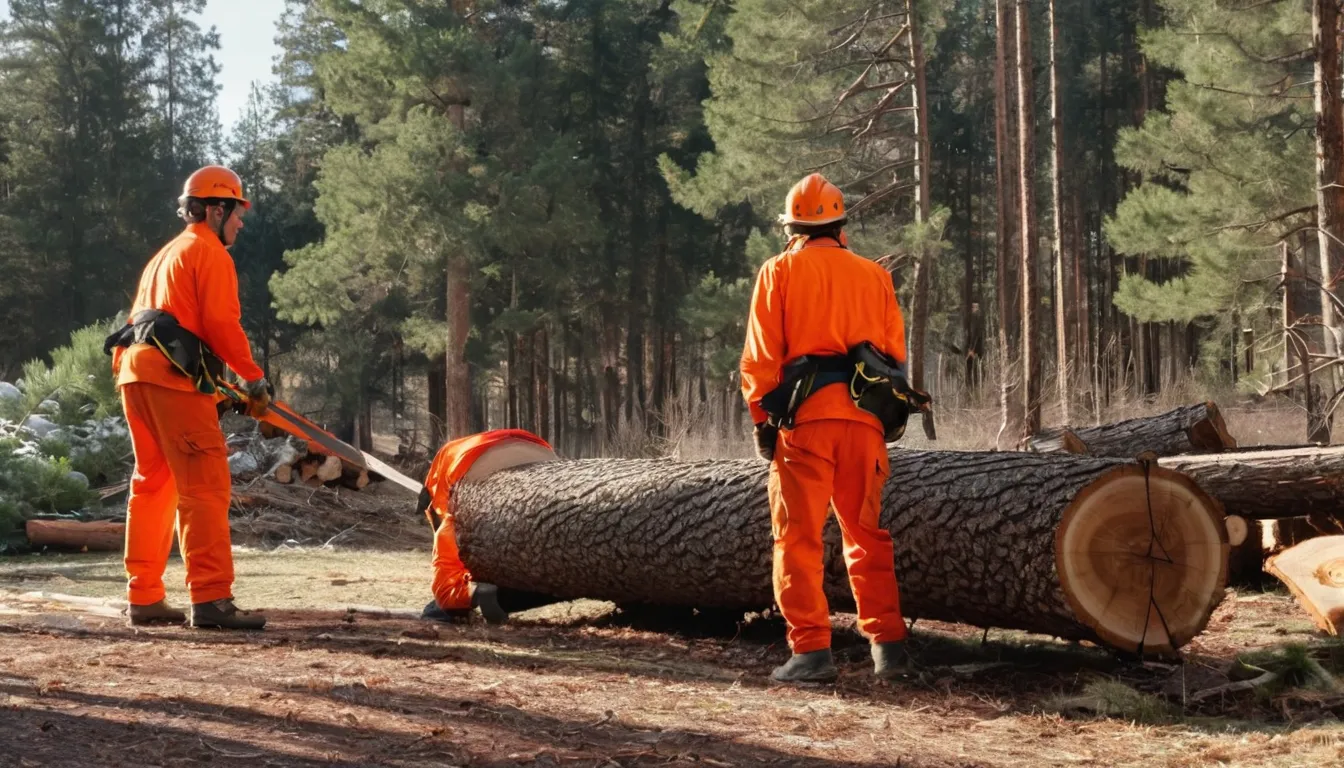
Say you step outside after a night of wind and find a trunk across the driveway, or a heavy limb resting on the roof. Your first question is simple: what do I do now? This page walks through that moment in plain words.
Troubleusing Tree Service is a referral service. We do not cut or haul trees. We connect homeowners in the West Valley City area with independent local providers in our network who bring the saws, rigging and training for storm tree clearance. Request an estimate, or Request a callback to check provider availability. Providers set their own hours and schedules.
Say you wake up to a loud crack. You look out and a big limb is hanging over the fence. Or a whole tree is leaning against the side of the house. Your heart pounds. That is normal.
This page is for that moment. It covers what to do first, what is safe to do yourself, and when a pro is the only smart choice.
Before anything else, look from a distance. Do not walk under the tree. Do not touch it.
There are small jobs a homeowner can do. You can take photos from a safe spot. You can move cars and patio furniture away. You can clear light twigs from a walkway.
That is where it ends. Cutting a loaded trunk, climbing a damaged tree, or working near the roof is not a weekend project. Pro gear and training matter here.
Not every fallen branch is an emergency. Some are. Here is a simple way to sort it.
Heavy, wet snow can bend branches until they crack. A fast spring melt can loosen soil around roots. Hail can tear bark and leave open wounds. Dry air and strong sun at altitude can stress trees for years, so they fail when a storm hits.
Newer frame homes with wood or stucco exteriors can be marked or punctured by a falling limb. That is one more reason to leave the work to people with the right equipment.
A provider usually starts by walking the site. They look at how the tree is resting, where the weight sits and what it touches. Then they plan the cuts.
Often the tree is taken down in sections. Ropes and cranes or lifts can lower heavy pieces without hitting the roof. Then the wood is cut up and hauled off, or left as logs if you ask. Many providers offer stump grinding as an add-on.
A rushed, careless cut can turn a small problem into a big repair. A trunk dropped the wrong way can crack a roof line, a window or a stucco wall.
Doing the job right protects the home, its value and any future sale. Clean cuts, a tidy yard and photos of the work all help if a buyer or inspector asks questions later.
Some policies may cover sudden damage from a fallen tree. Others cover less. Check your policy and call your insurer to ask.
Providers can often help document damage for a claim. Ask for a written estimate and an itemized invoice. Take your own photos before anything is moved.
When a storm hits a whole neighborhood, many people need help at once. Providers may be booked up. Some will triage and start with the most dangerous jobs.
Be patient but stay in touch. Many providers can respond quickly when they have openings. A tarp over a damaged roof section can protect the house while you wait.
Once the mess is cleared, think ahead.
A provider can tell you which trees are healthy and which are risks.
Before you agree to any work, ask:
Good providers answer plainly. If someone pushes you to sign on the spot, slow down.
Request an estimate and Troubleusing Tree Service will connect you with a local provider. Or Request a callback to check provider availability.
Providers cut and remove trees or limbs that have landed on yards, fences and driveways.
Help with blocked access after wind, hail or heavy snow, so you can get in and out.
Careful sectional cutting and rigging to lift trees off roofs, walls and garages safely.
Many providers can grind the stump after removal to leave the yard level.
Costs vary by tree size, access and how urgent the job is. These are typical U.S. ranges only. Always ask for a written quote before work starts.
| Item | Typical range | Notes |
|---|---|---|
| Small fallen limb removal | $150 – $500 | Easy access, light cutting |
| Medium tree down in yard | $500 – $1,500 | Cut up and hauled away |
| Large tree on open ground | $1,200 – $3,500 | Heavy wood needs more time |
| Tree on roof or house | $2,000 – $5,000+ | Rigging or crane often needed |
| Crane or lift rental | $500 – $2,000 | Added when access is tight |
| Stump grinding | $100 – $600 | Depends on stump width |
Keep clear of the tree and any wires. Take photos from a safe distance if you can.
Fill out the form to tell us what happened and where the tree is.
A local provider reviews the job, shares a written quote and explains the plan.
The provider clears the tree, cleans up and can help document it for insurance.
We link you with independent providers in your area who handle emergency tree work.
Plain advice on what is safe to do and what is not.
We make the connection. Providers do the work and set their own prices.
Ask for an estimate at your pace, with no obligation.
Tell us about your tree and request an estimate. A local provider in our network can review the job and share a written quote.
No obligationGet everyone out of the area and stay away from wires. If anyone is hurt, call emergency services. Take photos from a safe spot, then request an estimate from a provider.
Some policies may cover sudden damage from a fallen tree, especially if it hits the house. Coverage differs by policy, so check yours and ask your insurer. Providers can often help document damage for a claim.
Typical U.S. costs range from a few hundred dollars for a small fallen limb to several thousand for a large tree on a roof. Size, access, cranes and timing all change the price. Always get a written quote first.
Tell us about your tree and request an estimate. A local provider in our network can review the job and share a written quote.
No obligation